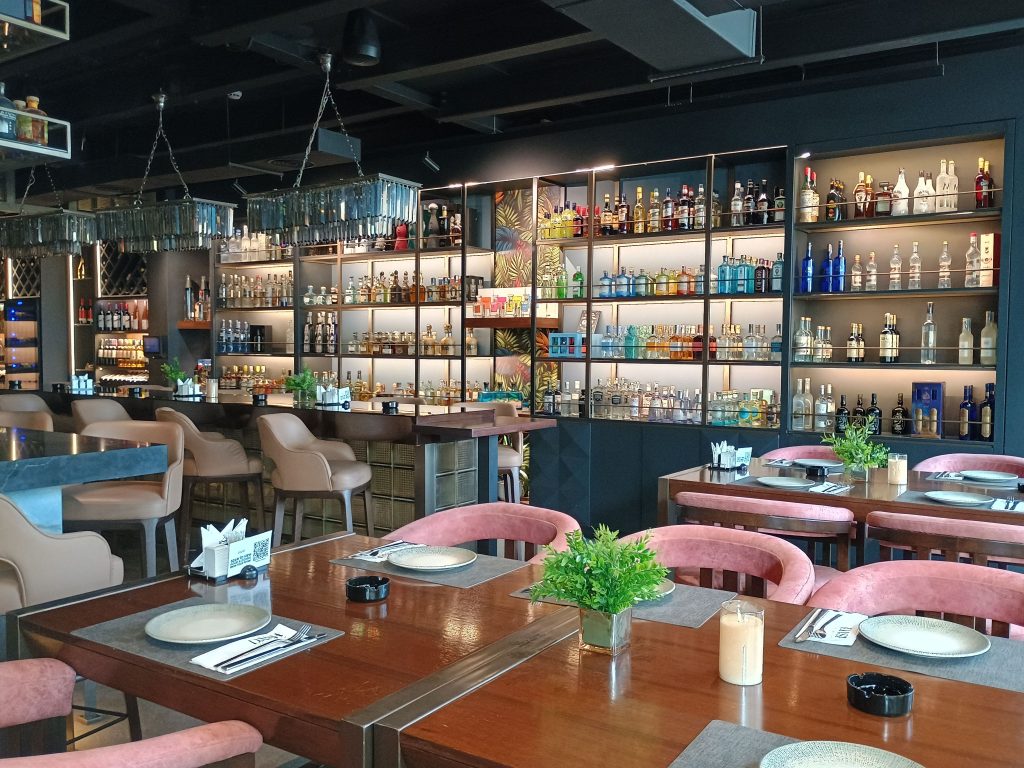
Opening a new restaurant or retail location involves countless decisions, from selecting the right property to designing an inviting interior and preparing for opening day. One of the most important considerations, however, is often behind the scenes: the electrical system. A well-planned electrical installation helps support daily operations, accommodate equipment demands, and provide reliable power for employees and customers.
Whether you’re opening a neighborhood restaurant, launching a boutique, or developing a larger commercial space, electrical planning should begin early in the process. Waiting until construction is nearly complete to address electrical needs can lead to costly changes, scheduling delays, and complications that could have been avoided with proper preparation.
Phase Electric provides residential and commercial electrical services in the Los Angeles area, helping property owners address a variety of electrical needs. Understanding the essential considerations for a new commercial location can help you prepare for a smoother construction process and a more functional space.
Assess Your Electrical Needs Before Construction

Every business has different electrical requirements. A restaurant may depend on commercial kitchen equipment, refrigeration, ventilation systems, and specialized lighting. A retail store may need power for point-of-sale systems, display lighting, computers, security equipment, and customer amenities.
Before electrical work begins, create a detailed list of the equipment and systems your business will use. Consider not only your immediate needs but also potential future additions. Identifying these requirements early gives your electrician a clearer picture of the electrical load the property must support.
The building’s existing electrical infrastructure also deserves attention. If you’re renovating an older commercial property, its electrical panel, wiring, circuits, and service capacity may need evaluation before new equipment is installed. An electrician can help determine whether upgrades are necessary to accommodate your business.
Plan for Adequate Electrical Capacity
One of the most important aspects of commercial electrical planning is ensuring that the system can safely handle anticipated demand. Restaurant appliances, refrigeration units, heating and cooling equipment, and other high-demand systems can place substantial loads on an electrical installation.
Retail locations have their own requirements, particularly when they include extensive lighting, climate control, and specialized equipment. An electrical system that isn’t designed for the business’s needs can contribute to overloaded circuits, interruptions, and operational difficulties.
A qualified electrician can evaluate the expected load and help determine the appropriate service capacity, panel configuration, and circuit distribution. Planning for reasonable future growth may also help reduce the likelihood of needing additional electrical work as your business expands.
Design Lighting for Customers and Employees
Lighting influences both the functionality and atmosphere of a commercial space. In restaurants, lighting helps establish the dining experience while providing adequate visibility for employees. Retail stores depend on lighting to make products easy to see, highlight displays, and create an inviting shopping environment.
Rather than treating lighting as a finishing touch, incorporate it into the initial electrical design. Consider general illumination, task lighting, accent lighting, and emergency lighting where required.
Restaurants may need distinct lighting arrangements for dining rooms, kitchens, food preparation areas, and storage spaces. Retail businesses may benefit from dedicated lighting for checkout counters, fitting rooms, merchandise displays, and stockrooms.
An effective plan balances appearance with practical considerations such as energy efficiency, maintenance, and applicable lighting requirements.
Account for Specialized Equipment
Restaurants and retail businesses often rely on equipment that requires dedicated circuits or specific electrical configurations. Commercial ovens, refrigerators, freezers, and dishwashing equipment may have particular voltage and power requirements. Retail locations may need circuits for point-of-sale systems, computers, display equipment, and other technology.
Confirm equipment specifications before finalizing the electrical layout. This helps ensure that outlets, circuits, and connections are located where they’re needed and are suitable for the intended equipment.
Restaurants should also coordinate electrical planning with ventilation, plumbing, and other building systems. Retail owners should consider how furniture, shelving, counters, and displays will affect outlet placement and access to electrical connections.
Good coordination among contractors helps reduce conflicts during construction and makes the finished space more practical.
Prioritize Safety and Code Compliance
Commercial electrical installations must meet applicable electrical codes and permitting requirements. Depending on the property and project, work may involve inspections, panel upgrades, new circuits, emergency lighting, or other requirements specific to the building and its intended use.
Restaurants must also account for the electrical needs of kitchen equipment and other systems operating in demanding environments. Retail businesses need safe, accessible electrical installations that accommodate employees, customers, and merchandise displays.
Working with a qualified electrician helps ensure that these considerations are addressed appropriately. Electrical work should never be improvised to save time, particularly when a commercial property’s safety and long-term operation are at stake.
Leave Room for Future Growth
Your electrical needs may change as your business develops. You might add kitchen equipment, expand a merchandise selection, introduce new technology, or redesign the layout to accommodate more customers.
Discuss potential future changes with your Phase Electric electrician during the planning stage. Although not every expansion can be predicted, considering reasonable growth can help you make informed decisions about electrical capacity, panel space, and circuit placement.
Planning ahead can also make future renovations less disruptive by reducing the need to rework an electrical system that was designed only for the initial setup.
Start Your Commercial Electrical Project With Phase Electric

Electrical planning is a foundational part of opening a restaurant or retail location. By evaluating equipment requirements, electrical capacity, lighting, safety, and future growth early, you can help establish a dependable foundation for your business.
Phase Electric provides residential and commercial electrical services in the Los Angeles area. Whether you’re preparing a new commercial space or upgrading an existing property, professional electrical assistance can help you address your project’s needs.
Contact Phase Electric today to discuss your commercial electrical project and request a consultation. With thoughtful planning and professional electrical work, you can prepare your new restaurant or retail location for the demands of daily business.