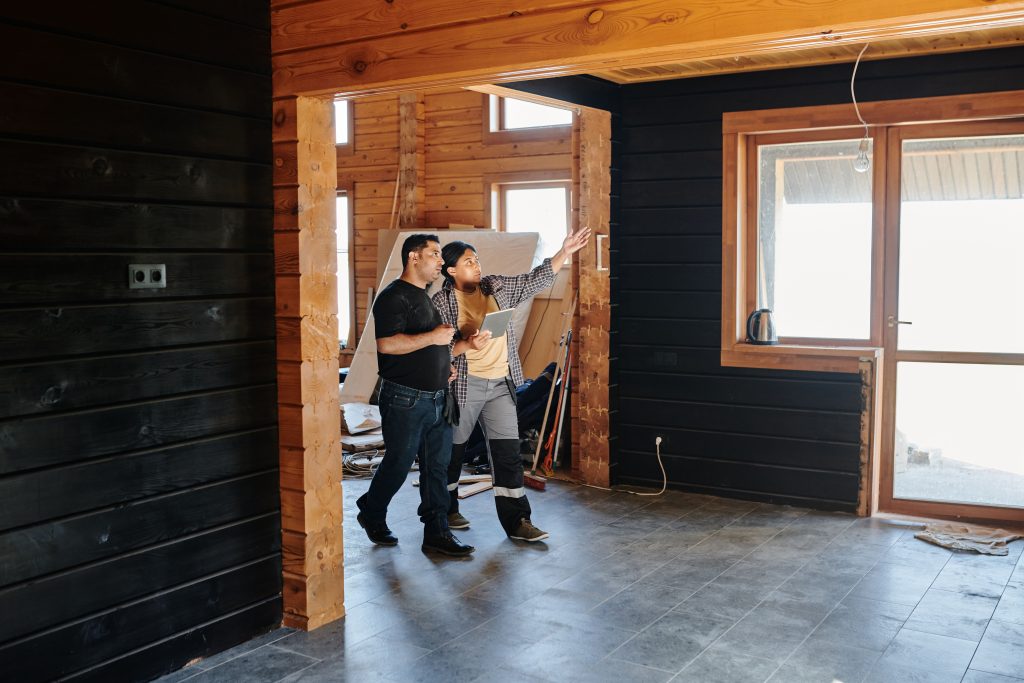
A major home remodel can transform the way you use and enjoy your living space. Whether you’re adding a new kitchen, converting a garage into a living area, building an accessory dwelling unit (ADU), or expanding your home, it’s important to consider one essential factor before construction begins: Does your electrical system have enough capacity to support the changes?
Modern homes rely on electricity for everything from lighting and appliances to heating, cooling, entertainment, and smart home technology. Adding new rooms or upgrading existing spaces can significantly increase your household’s electrical demands. If your current system cannot accommodate those changes, you may need electrical upgrades before your remodeling project gets underway.
Phase Electric provides residential and commercial electrical services in the Los Angeles area, helping property owners address their electrical needs. Understanding your home’s existing electrical capacity can help you plan a successful remodel and avoid unexpected complications during construction.
Consider How Your Electrical Needs Will Change

The first step is to evaluate what your remodeled home will require. A project that primarily involves new flooring, paint, or cabinetry may not significantly affect your electrical system. However, a remodel that adds appliances, lighting, outlets, or new living spaces can increase electrical demand.
For example, a kitchen renovation might introduce an induction cooktop, a larger oven, a second refrigerator, or additional countertop appliances. A bathroom remodel could include heated flooring, improved lighting, and other electrical features. Adding a room may require new outlets, lighting circuits, and additional heating or cooling equipment.
Make a list of the electrical features you want to include in your finished space. Sharing these plans with a qualified electrician early in the process makes it easier to determine whether your current system can support the proposed changes.
Understand Your Electrical Panel’s Capacity
Your electrical panel distributes power throughout your home and protects individual circuits from overloads. Its capacity is one of the most important factors to consider during a major remodel.
Older homes may have electrical panels that were adequate when the property was built but are less suited to today’s electrical demands. If your remodel includes major appliances, new HVAC equipment, or an addition, your electrician should evaluate whether the existing panel can accommodate the additional load.
However, the panel’s amperage rating alone does not tell the whole story. An expert electrician must also consider your home’s calculated electrical load, existing circuits, available breaker spaces, and the requirements of the new equipment.
Depending on the findings, you may be able to proceed with your existing panel, add circuits, or need a panel upgrade. In some cases, additional service capacity may also be necessary.
Look for Warning Signs of Electrical Problems
Certain warning signs may indicate that your electrical system needs attention, although they do not automatically mean your home lacks sufficient capacity.
Pay attention to circuit breakers that trip repeatedly, lights that flicker when appliances operate, outlets that feel unusually warm, or a persistent reliance on extension cords and power strips. These issues can have several causes, including overloaded circuits, loose connections, or other electrical faults.
If you notice burning odors, scorching around outlets, or other signs of overheating, stop using the affected equipment and seek professional electrical assistance promptly.
Even if your system appears to work normally, that doesn’t guarantee it can support a substantial increase in electrical demand. An inspection before remodeling can identify potential problems before new construction makes them more difficult or expensive to address.
Plan for Modern Electrical Features
A major remodel is an opportunity to think beyond your immediate needs. Consider whether you may want to install an electric vehicle charger, upgrade your HVAC system, add outdoor lighting, or incorporate smart home features in the future.
These additions can affect electrical planning, particularly when they require dedicated circuits or draw substantial power. Discussing your long-term goals with an electrician can help you determine whether it makes sense to prepare for future upgrades while walls are open and construction is underway.
You should also consider the location and number of outlets, lighting controls, and dedicated appliance circuits. Thoughtful electrical planning can improve convenience and reduce the likelihood of needing disruptive changes after the remodel is complete.
Schedule an Electrical Assessment Before Construction
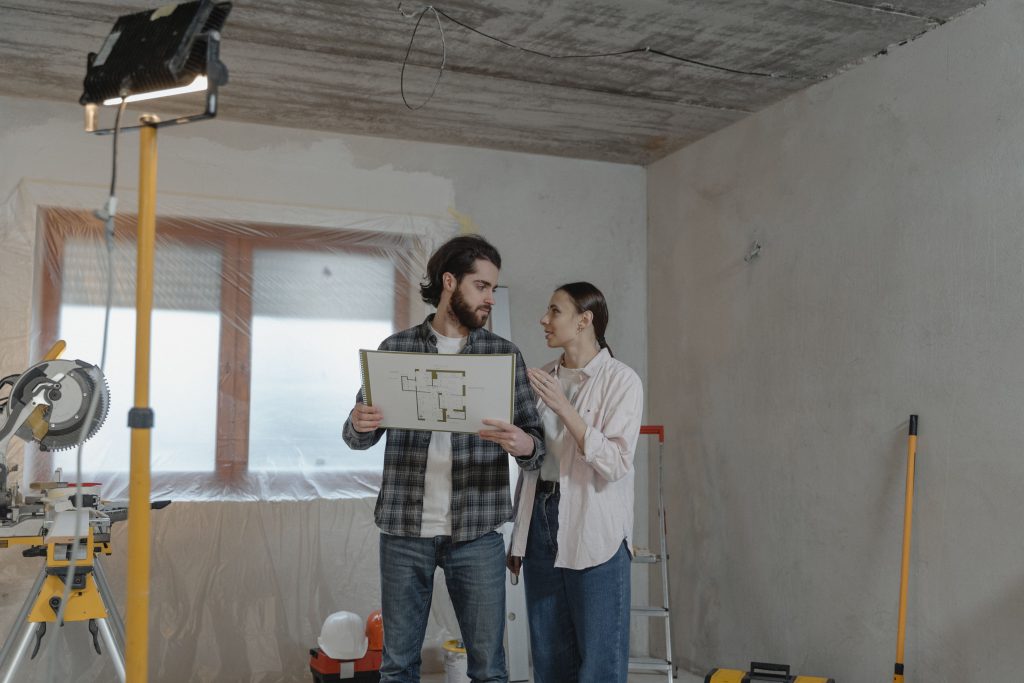
One of the most effective ways to determine whether your home has enough power for a major remodel is to schedule an evaluation with a licensed electrician.
A professional can assess your existing electrical panel, review your current and planned loads, inspect relevant wiring and circuits, and identify any upgrades that may be necessary. This assessment can also help coordinate electrical work with your contractor’s construction schedule.
Addressing electrical requirements early is especially important for kitchen renovations, room additions, ADUs, and projects involving major appliances or HVAC equipment. Waiting until construction is underway can lead to delays, additional expenses, and changes to your original plans.
Make Electrical Planning Part of Your Remodel
A successful remodel requires more than attractive finishes and a well-designed layout. Your electrical system must safely and reliably support the way you plan to use your home.
By evaluating your electrical capacity, identifying potential problems, and planning for future needs, you can approach your renovation with greater confidence.
If you’re preparing for a major remodel, contact Phase Electric today to discuss your project and schedule an electrical assessment. Getting your electrical system ready before construction begins can help keep your renovation on track and your home powered for years to come.