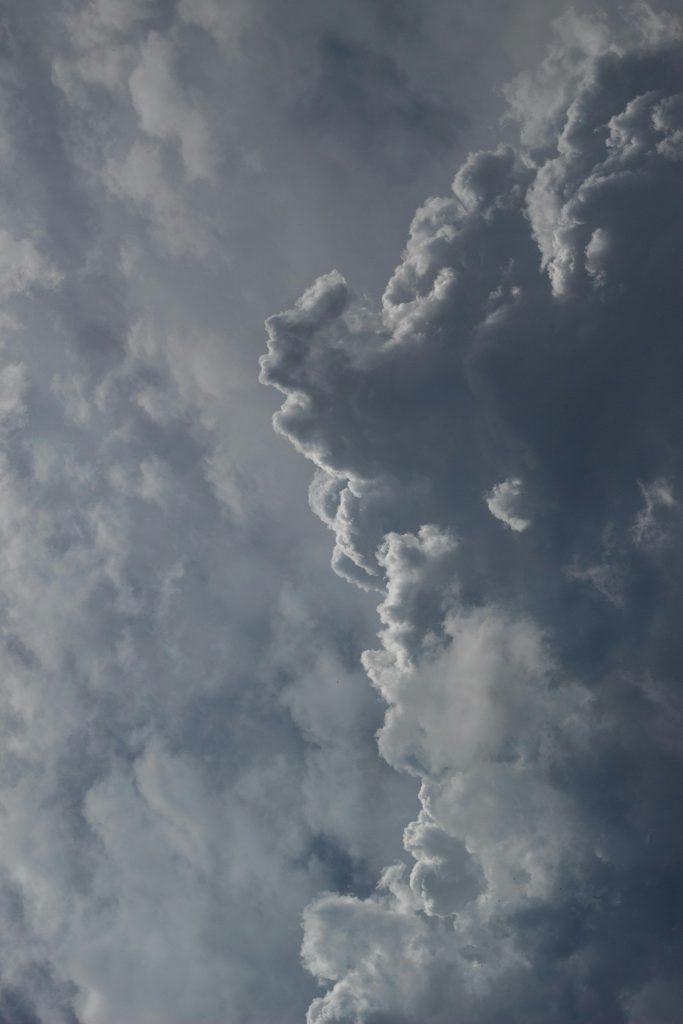
Extreme weather is becoming more common, and your home’s electrical system often takes the brunt of it. From intense heat waves and freezing temperatures to severe storms and power surges, weather events can put serious stress on electrical components that many homeowners rarely think about — until something goes wrong.
Making sure your electrical system is prepared before extreme weather hits can help protect your home, reduce the risk of outages or damage, and keep your family safe. Use the checklist below to understand what to look for and when it may be time to call licensed electricians like the team at Phase Electric.
1. Check the Condition of Your Electrical Panel
Your electrical panel is the heart of your home’s power system. During extreme weather, it works harder than ever to handle increased demand from heating, cooling, and emergency equipment.
Warning signs to watch for include:
- Frequently tripped breakers
- Flickering or dimming lights
- Warm or buzzing breakers
- A burning smell near the panel
Older or undersized panels may struggle during heat waves or cold snaps when HVAC systems run nonstop. If your panel hasn’t been inspected in years, a professional electrical evaluation can help determine whether it’s still safe and reliable.
2. Make Sure Your Home Is Properly Grounded
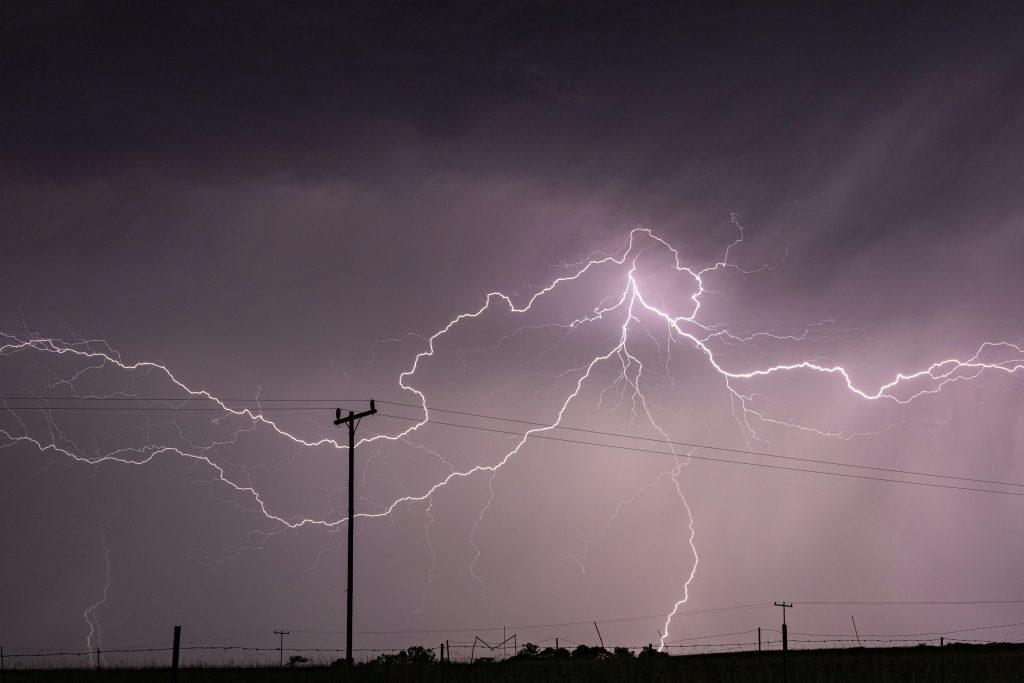
Grounding helps protect your home from electrical surges, especially during storms and lightning events. Without proper grounding, excess electricity has nowhere to go — which can damage appliances, electronics, and wiring.
A licensed electrician can verify that your grounding and bonding systems meet current safety standards. This is especially important in older homes, where grounding systems may be outdated or incomplete.
3. Inspect Outdoor Electrical Components
Outdoor outlets, lighting, and wiring are exposed to rain, wind, heat, and freezing temperatures year-round. Before extreme weather arrives, take a look at:
- Exterior outlets (should be weather-rated and have secure covers)
- Outdoor lighting fixtures
- Exposed conduit or wiring
Cracked covers, loose fixtures, or signs of corrosion can allow moisture inside, increasing the risk of shorts or electrical shock. Outdoor electrical components should always be rated for exterior use and properly sealed.
4. Consider Surge Protection
Power surges are common during storms and utility outages, and they don’t always come from lightning strikes. Surges can also occur when power is restored after an outage or when large appliances cycle on and off during extreme temperatures.
Whole-home surge protection helps safeguard:
- Major appliances
- HVAC systems
- Smart home devices
- Electronics like TVs and computers
While individual surge protectors are helpful, they don’t offer the same level of protection as a professionally installed whole-home system.
5. Evaluate Your Home’s Power Demand
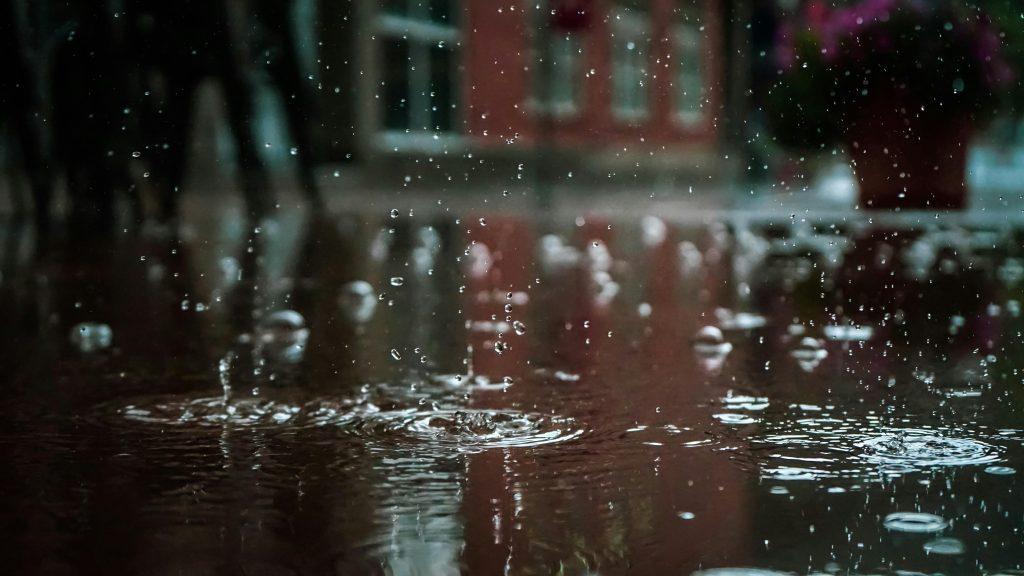
Extreme weather often means increased electrical usage — air conditioners during heat waves, space heaters during freezes, or sump pumps during heavy rain. Homes with modern electrical demands may overload systems that were never designed for today’s usage.
Signs your system may be overworked include:
- Breakers tripping when multiple appliances run
- Lights dimming when HVAC turns on
- Outlets that feel warm to the touch
An electrician can assess whether your system can safely handle your household’s power needs or if upgrades are recommended.
6. Prepare for Power Outages Safely
If you rely on a generator during outages, proper installation and use are critical. Improper generator connections can create serious safety hazards, including backfeeding electricity into utility lines.
Safe preparation includes:
- Using approved transfer switches
- Keeping generators outdoors and away from windows
- Never plugging generators directly into wall outlets
If you’re considering a generator or want to ensure your current setup is safe, professional guidance is essential.
7. Know When to Call a Professional
While homeowners can perform basic visual checks, many electrical issues aren’t visible. If you’ve experienced recent storms, flooding, or repeated power problems, it’s best to have a licensed electrician inspect your system before the next extreme weather event.
At Phase Electric, we help homeowners identify potential electrical risks, make smart upgrades, and ensure their systems are ready to handle whatever the weather brings. Proactive maintenance today can help prevent costly repairs — and dangerous situations — tomorrow.