
Electricity powers nearly every aspect of modern life, from lighting and appliances to entertainment and home security systems. While it’s easy to take for granted, your home’s electrical system requires proper care and attention to keep everything running safely and efficiently. Even small issues can quickly turn into serious hazards if left unaddressed.
Whether you live in a newer home or an older property, understanding basic electrical safety is essential. Here are seven important electrical safety tips every homeowner should know to protect their property, their devices, and most importantly, their family.
1. Don’t Overload Your Outlets
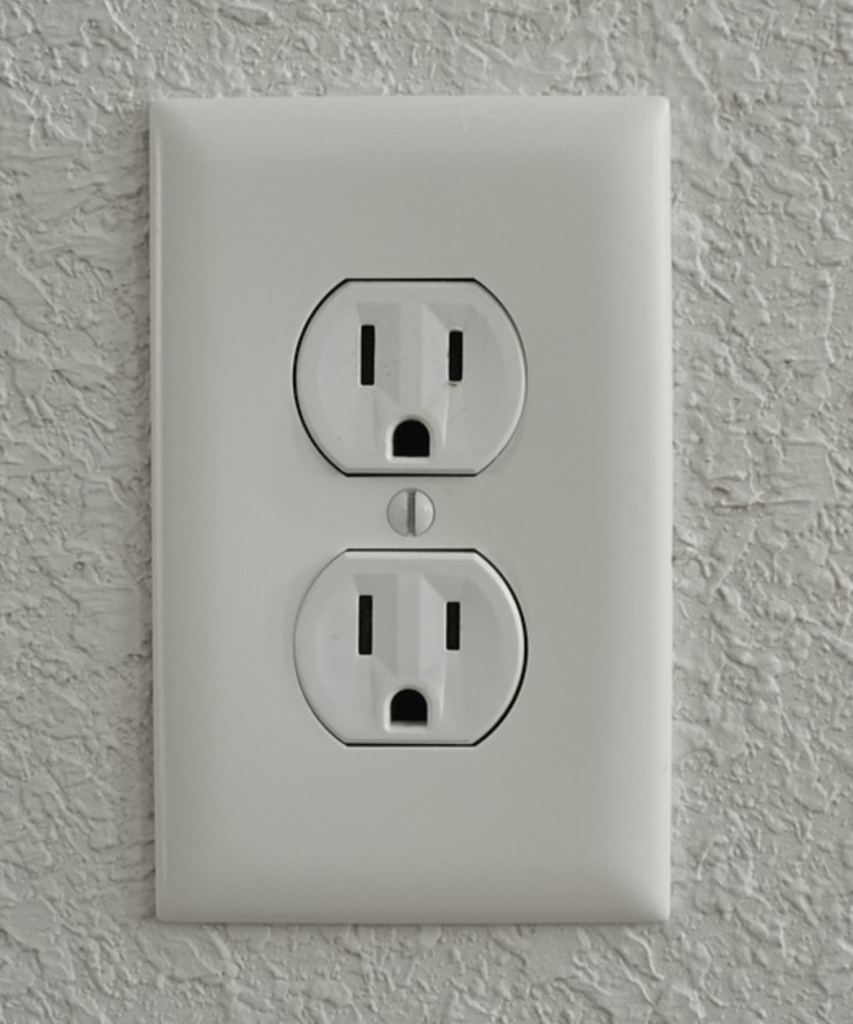
One of the most common electrical hazards in homes is overloaded outlets. Plugging too many devices into a single outlet or power strip can cause overheating, which increases the risk of electrical fires.
If you find yourself relying heavily on extension cords or power strips, it may be a sign your home doesn’t have enough outlets. A licensed electrician can install additional outlets or upgrade your system to better handle your electrical needs.
2. Replace Damaged Cords Immediately
Frayed or damaged cords are more than just an inconvenience – they’re a serious safety risk. Exposed wiring can lead to electric shocks or sparks that may start a fire.
Make it a habit to regularly inspect cords on appliances, electronics, and extension cables. If you notice any cracking, fraying, or exposed wires, replace the cord or device right away. Never attempt to tape over a damaged cord as a long-term solution.
3. Keep Electrical Devices Away from Water
Water and electricity are a dangerous combination. Bathrooms, kitchens, and outdoor areas are especially prone to moisture, which can increase the risk of shock or electrocution.
Always keep electrical devices a safe distance from sinks, bathtubs, and pools. Additionally, make sure your home is equipped with Ground Fault Circuit Interrupter (GFCI) outlets in moisture-prone areas. These outlets are designed to shut off power instantly if a fault is detected, reducing the risk of injury.
4. Be Mindful of Warning Signs
Your electrical system often gives warning signs before a major issue occurs. Ignoring these signs can lead to costly repairs – or worse, dangerous situations.
Watch for:
- Flickering or dimming lights
- Frequently tripped circuit breakers
- Burning smells near outlets or panels
- Warm or discolored outlets
If you notice any of these issues, it’s important to contact a professional electrician right away to diagnose and resolve the problem.
5. Use the Right Wattage for Light Fixtures
Using light bulbs with wattage that exceeds a fixture’s rating can cause overheating and potentially start a fire. Always check the recommended wattage for your light fixtures and use bulbs that stay within that limit.
Switching to LED bulbs is a smart choice, as they use less energy and generate less heat compared to traditional incandescent bulbs, making them both safer and more efficient.
6. Avoid DIY Electrical Work
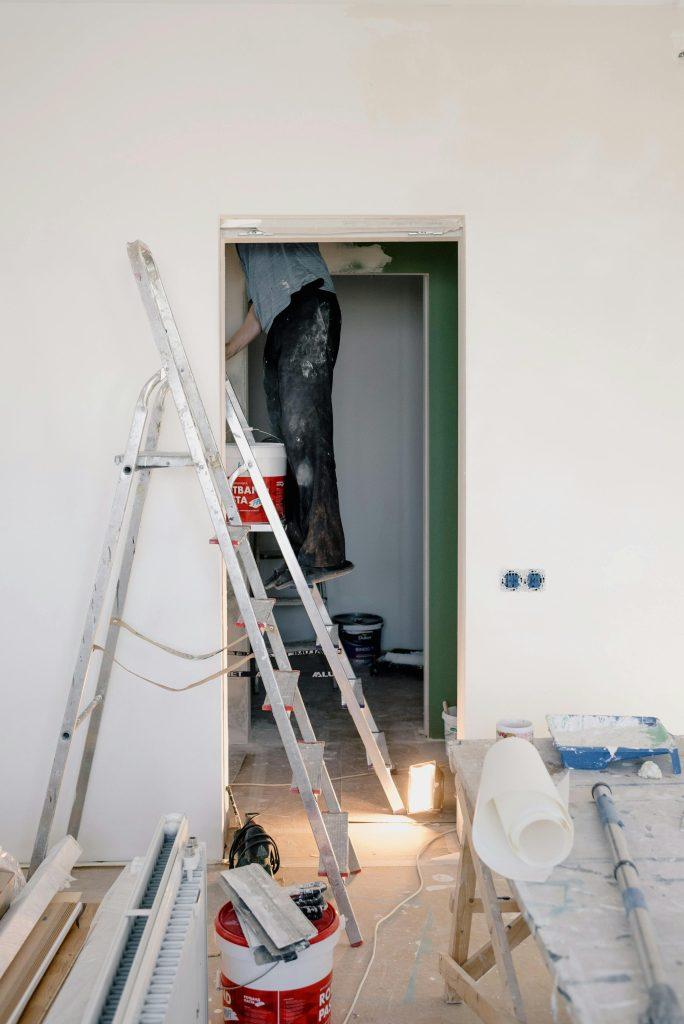
While it may be tempting to tackle electrical repairs on your own, DIY electrical work can be extremely dangerous without the proper training and tools. Mistakes can lead to shocks, fires, or code violations that may cause problems when selling your home.
Hiring a licensed electrician ensures that the work is completed safely and up to code. It also gives you peace of mind knowing that your electrical system is in good hands.
7. Schedule Regular Electrical Inspections
Routine electrical inspections are one of the best ways to catch potential issues before they become major problems. A professional electrician can evaluate your system, identify outdated components, and recommend necessary upgrades.
This is especially important if you live in an older home, have recently added new appliances, or are planning a renovation. Keeping your system up to date helps ensure it can safely handle your household’s electrical demands.
Final Thoughts from Phase Electric
Electrical safety isn’t something homeowners can afford to overlook. By taking a proactive approach and following these simple tips, you can significantly reduce the risk of hazards in your home.
From avoiding overloaded outlets to recognizing warning signs early, small steps can make a big difference in protecting your property and loved ones. And when in doubt, it’s always best to call in a professional electrician.
If you’re unsure about the condition of your home’s electrical system or need expert assistance, Phase Electric is here to help. Contact their team today to schedule an inspection or service and keep your home safe, efficient, and powered for years to come.