Your electrical system works quietly behind the scenes every day, powering everything from lights and appliances to computers and HVAC systems. At the heart of that system are three critical components: circuit breakers, electrical panels, and power loads. Understanding how these parts work together can help you spot potential problems early, avoid electrical hazards, and know when it’s time to call a professional electrician.
What Is an Electrical Panel?
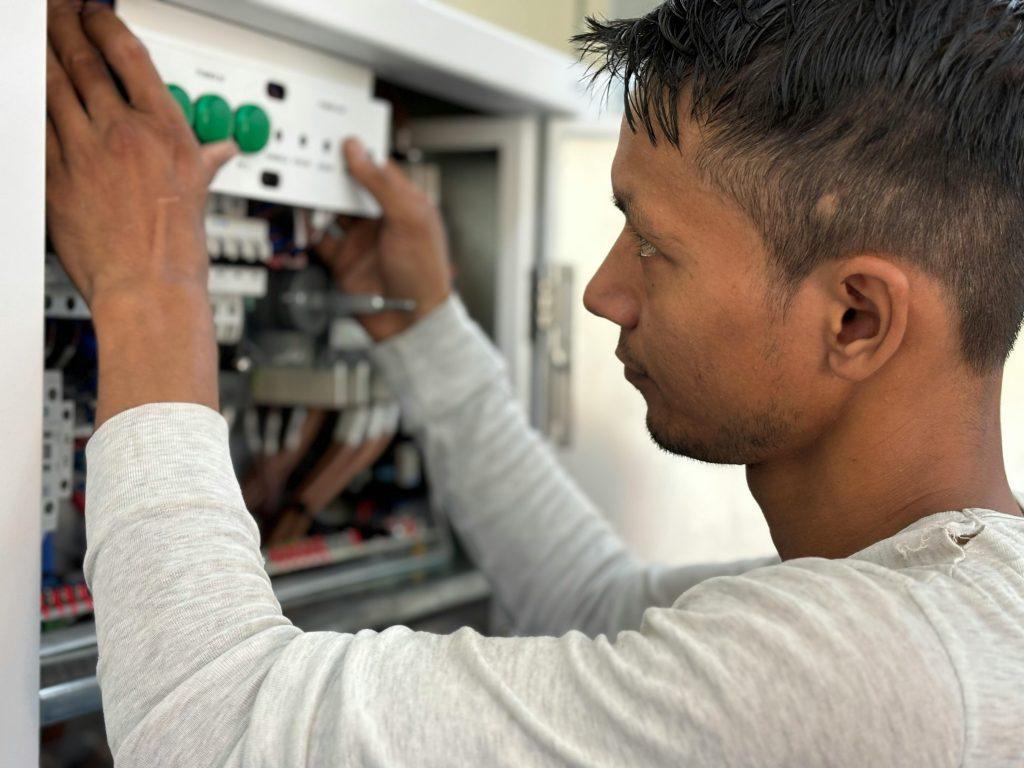
The electrical panel – sometimes called a breaker box or service panel – is the control center of your home or business’s electrical system. It receives electricity from the utility company and distributes it safely throughout the building via individual circuits.
Each circuit is designed to power specific areas or appliances, such as kitchens, bathrooms, lighting, or office equipment. The panel ensures electricity flows efficiently and provides a central point to shut off power when needed for maintenance or emergencies.
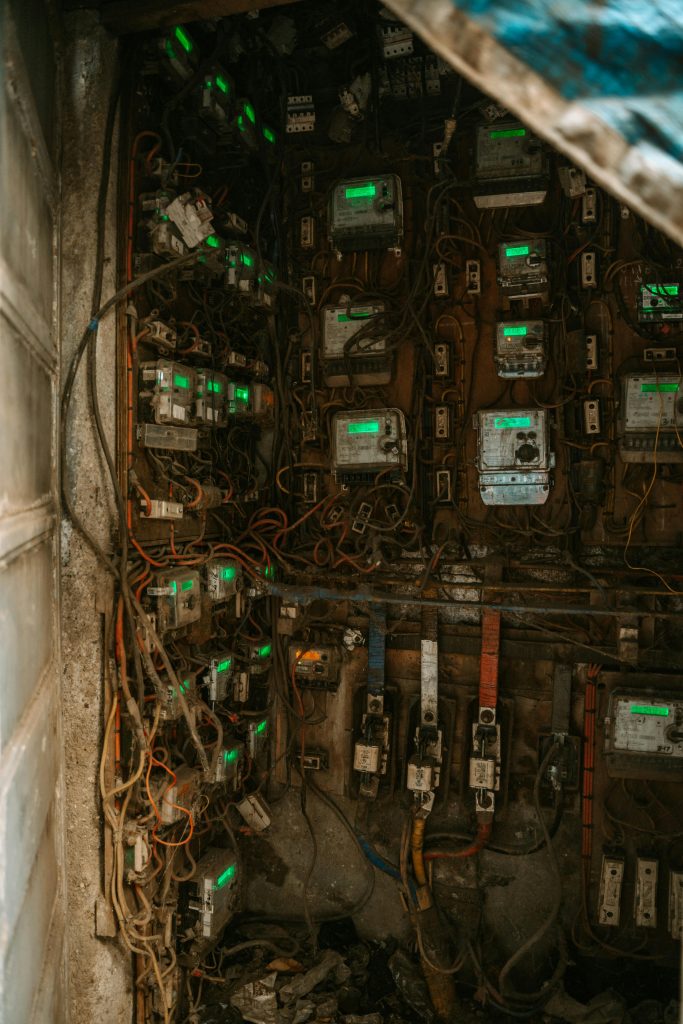
Older homes and commercial buildings may have outdated panels that were not designed to handle modern electrical demands. As technology evolves and power usage increases, the panel becomes more important than ever.
How Circuit Breakers Protect Your Property
Circuit breakers are safety devices installed inside the electrical panel. Their primary role is to prevent overheating, electrical fires, and equipment damage.
When too much electricity flows through a circuit due to overloads, short circuits, or faulty wiring, the breaker automatically trips, cutting off power to that circuit. This interruption prevents wires from overheating and reduces the risk of fire.
If you find yourself frequently resetting breakers, it’s a sign that something isn’t right. While it may be tempting to ignore occasional trips, repeated breaker issues usually indicate a deeper electrical problem that should be addressed by a licensed electrician.
What Is a Power Load?
A power load refers to the amount of electricity being used by all connected devices on a circuit or throughout a building. Every circuit has a maximum load capacity. When that limit is exceeded, the circuit becomes overloaded.
Common causes of overloaded circuits include:
- Running multiple high-demand appliances on the same circuit
- Adding new electronics or machinery without upgrading the system
- Older wiring that wasn’t designed for modern power needs
In homes, this often shows up when space heaters, microwaves, or hair dryers trip breakers. In commercial spaces, it can occur when equipment, lighting, or workstations exceed the building’s electrical capacity.
Signs Your Electrical Panel or Circuits Are Overloaded
Some warning signs are easy to miss until they become serious problems. Watch for these red flags:
- Breakers that trip frequently
- Flickering or dimming lights
- Warm or buzzing electrical panels
- Burning smells near outlets or breakers
- Limited outlets forcing heavy use of power strips
These symptoms suggest your electrical system is under strain. Ignoring them can lead to damaged appliances, power outages, or even electrical fires.
When Is It Time for an Electrical Panel Upgrade?
An electrical panel upgrade may be necessary if:
- Your panel is outdated or uses fuses instead of breakers
- You’re remodeling or expanding your home or business
- You’re installing new appliances, EV chargers, or commercial equipment
- Your building can’t keep up with current power demands
Upgrading your panel allows for safer power distribution, improved efficiency, and room for future growth. It also ensures your system meets current electrical codes.
Why Professional Assessment Matters
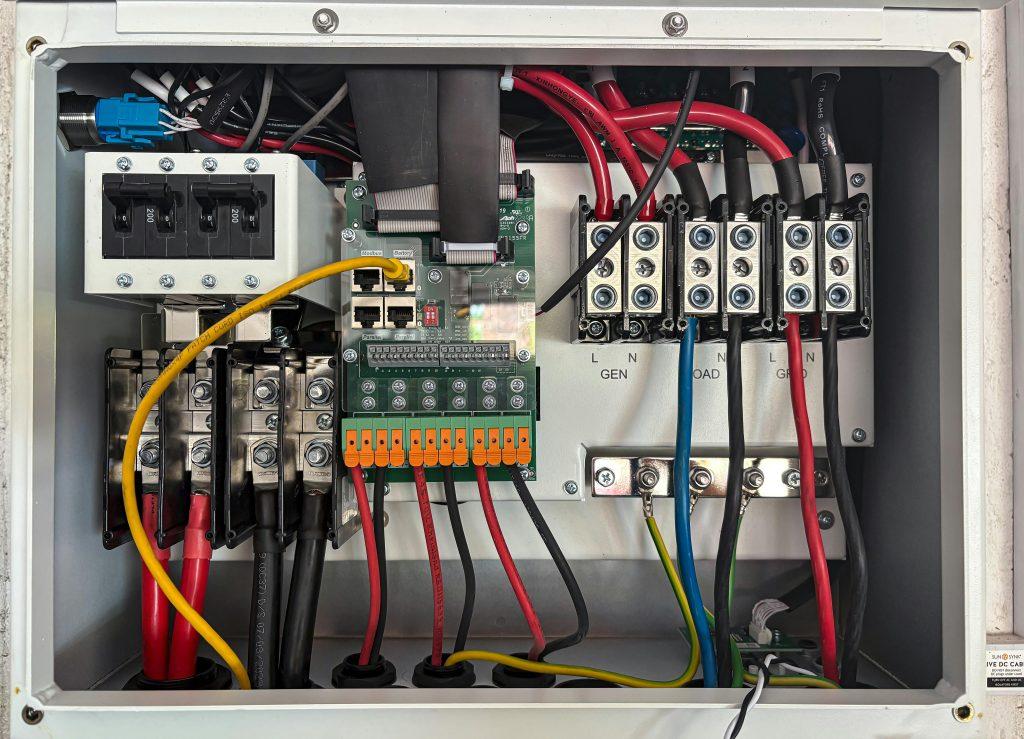
Electrical systems are complex, and guessing can be dangerous. A professional electrician can accurately calculate power loads, inspect wiring, and determine whether your panel and circuits are properly sized for your needs.
At Phase Electric, our experienced electricians help homeowners and business owners understand their electrical systems and make informed decisions. Whether you’re dealing with frequent breaker trips or planning an upgrade, we focus on safety, reliability, and long-term performance.
Schedule an Electrical Evaluation with Phase Electric
Understanding circuit breakers, panels, and power loads is the first step toward a safer and more efficient electrical system. If your home or business is showing signs of overload—or if you’re planning changes that increase power demand—now is the time to act.
Contact Phase Electric today to schedule a professional electrical evaluation. Our team is ready to ensure your system can safely handle today’s needs and tomorrow’s growth.