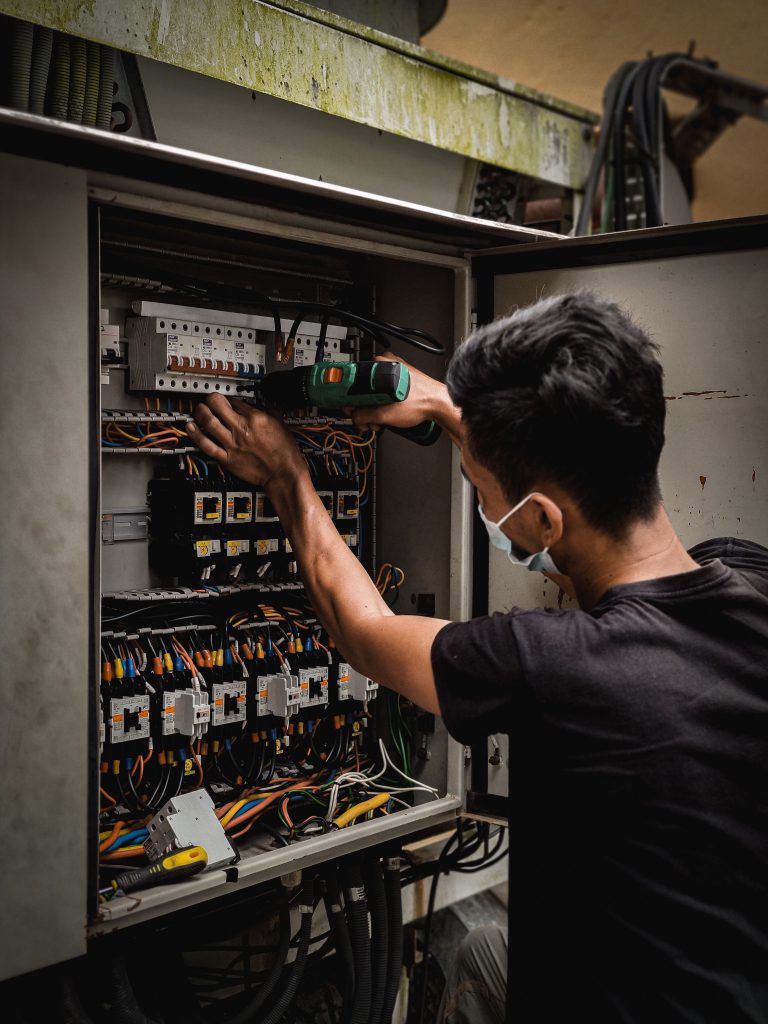
Adding new electrical equipment can help a business improve productivity, accommodate more customers, and prepare for future growth. Whether you’re installing commercial kitchen appliances, upgrading office technology, adding manufacturing equipment, or expanding your workspace, new electrical demands require careful planning. Before purchasing equipment or scheduling installation, it’s important to understand whether your existing electrical system can safely support the additional load.
For businesses throughout the Los Angeles area, electrical planning is an essential part of managing a commercial property. An electrical system that works well under current conditions may not have enough capacity for new machinery, additional computers, upgraded HVAC equipment, or other power-hungry devices. Addressing these concerns early can help avoid unnecessary disruptions, costly modifications, and potential safety hazards.
Phase Electric provides residential and commercial electrical services in the Los Angeles area, helping property owners and businesses address their electrical needs. Understanding a few important considerations before adding equipment can help you prepare for a smoother installation and a more reliable electrical system.
Evaluate Your Existing Electrical Capacity

One of the first steps is determining whether your current electrical system can accommodate the equipment you plan to add. Every electrical panel and circuit has limitations, and connecting additional devices without considering those limits can create problems.
Start by identifying the equipment you intend to install and reviewing its electrical requirements. Voltage, amperage, wattage, and other manufacturer specifications can help an electrician determine what the installation will require.
Your existing electrical panel, circuits, wiring, and available capacity must also be evaluated. Even if your business has unused breaker spaces, that doesn’t necessarily mean the electrical system has sufficient capacity for additional equipment.
A qualified electrician can assess your existing installation, identify potential limitations, and recommend appropriate next steps.
Determine Whether Dedicated Circuits Are Necessary
Some types of commercial equipment require dedicated electrical circuits. These circuits serve specific equipment rather than sharing capacity with multiple devices.
Depending on the equipment and applicable electrical requirements, dedicated circuits may be appropriate for commercial refrigerators, large printers, specialized machinery, and other appliances with significant power demands.
Adding equipment to an already heavily loaded circuit can cause breakers to trip and interrupt business operations. A licensed electrician can determine whether existing circuits are suitable or whether new circuits should be installed.
Planning for these requirements before equipment arrives can also help avoid installation delays and unexpected expenses.
Consider Your Business’s Future Needs
When evaluating electrical capacity, think beyond your immediate plans. Your business may eventually add workstations, purchase additional machinery, expand its operations, or install new technology.
Planning for anticipated growth can help you avoid repeated electrical upgrades. Depending on your property’s existing infrastructure and future requirements, it may make sense to evaluate panel capacity, circuit availability, and other system limitations as part of a broader electrical plan.
This doesn’t necessarily mean installing more capacity than you need today. Instead, discuss realistic future requirements with a professional electrician so your electrical improvements support your business goals.
Prioritize Electrical Safety and Code Compliance
New electrical equipment must be installed according to applicable electrical codes, manufacturer instructions, and safety requirements. Improper wiring, overloaded circuits, inadequate grounding, and unsuitable connections can create serious hazards.
Businesses should avoid relying on extension cords or power strips as permanent solutions when new equipment requires properly installed circuits. These products have specific limitations and aren’t substitutes for appropriate electrical infrastructure.
An electrician can determine whether new wiring, circuit protection, grounding improvements, or other modifications are necessary. Professional installation helps ensure the equipment receives appropriate power while supporting the safe operation of your electrical system.
Older commercial buildings may require additional attention, particularly if their electrical systems have undergone multiple changes over the years.
Account for Installation Costs and Downtime
The cost of new electrical equipment involves more than the purchase price. Depending on the installation, you may also need new circuits, wiring, outlets, panel modifications, or other electrical work.
Discussing these requirements in advance helps establish a more realistic budget. It also allows you to coordinate electrical work with equipment delivery, contractors, and your business’s operating schedule.
For businesses that depend on continuous operations, minimizing downtime is especially important. Scheduling installation during slower periods or arranging work around operating hours may help reduce disruption, depending on the project’s scope.
Clear communication with your electrician can help you anticipate the work involved and prepare your facility accordingly.
Work With a Qualified Commercial Electrician

Adding electrical equipment is an opportunity to improve your business, but it should begin with a clear understanding of your property’s electrical capabilities. Evaluating capacity, identifying circuit requirements, planning for growth, and addressing safety concerns can help prevent avoidable problems.
Phase Electric is proud to serve customers in the Los Angeles area. Whether you’re preparing to install new commercial equipment, expand your workspace, or evaluate your existing electrical infrastructure, professional guidance can help you make informed decisions.
Contact Phase Electric today to discuss your commercial electrical needs and schedule a consultation. With careful planning and professional electrical service, you can prepare your business for new equipment while keeping safety, reliability, and long-term performance in mind.