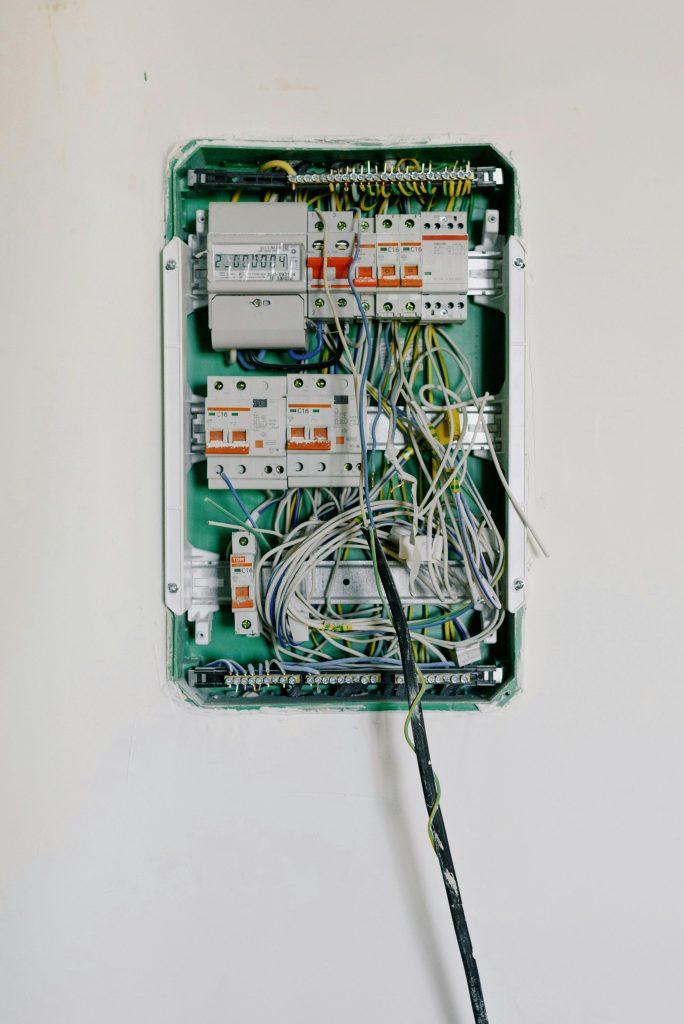
If your circuit breaker keeps tripping, it’s not just an inconvenience – it’s your electrical system trying to protect your home or business from potential danger. While it might be tempting to simply reset the breaker and move on with your day, frequent trips are a clear sign that something isn’t right. Understanding the cause can help you prevent damage, avoid safety hazards, and know when it’s time to call a professional electrician.
What Does a Circuit Breaker Do?
Your circuit breaker is designed to shut off power when it detects an electrical problem, such as an overload or short circuit. This prevents overheating, electrical fires, and damage to your appliances. In other words, a tripping breaker is doing its job; but repeated trips mean there may be a serious underlying issue that needs attention soon.
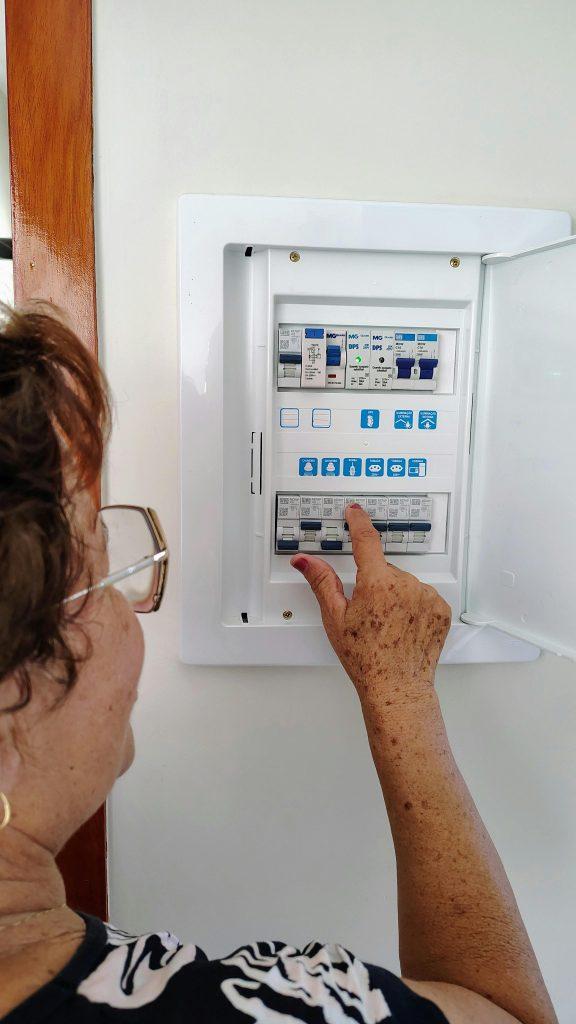
Common Reasons Your Circuit Breaker Keeps Tripping
- Overloaded Circuits
One of the most common causes of a tripped breaker is an overloaded circuit. This happens when too many devices or appliances are drawing power from the same circuit at once. For example, running a microwave, toaster, and coffee maker on the same kitchen circuit can easily exceed its capacity.
What to do:
Unplug some devices and redistribute them to other outlets or circuits. If this happens often, it may be time to upgrade your electrical system or add dedicated circuits.
- Short Circuits
A short circuit occurs when a hot wire touches a neutral wire, causing a sudden surge of electricity. This is more serious than an overload and can generate heat, sparks, or even fires.
What to do:
If you suspect a short circuit, especially if you notice a burning smell or scorch marks, stop using the affected outlet or appliance immediately and call a licensed electrician.
- Ground Faults
Similar to short circuits, ground faults happen when a hot wire comes into contact with a ground wire or a grounded surface. These are especially common in areas with moisture, like kitchens, bathrooms, and outdoor outlets.
What to do:
Check if the issue is tied to a specific outlet or appliance. Ground fault circuit interrupters (GFCIs) are designed to prevent these hazards, but recurring problems should be inspected by professionals like the team at Phase Electric.
- Faulty Appliances
Sometimes the issue isn’t your wiring, it’s an appliance. Older or damaged appliances can draw inconsistent power or cause faults that trip the breaker.
What to do:
Try plugging the appliance into a different outlet on another circuit. If the breaker trips again, the appliance may need repair or replacement.
- Aging or Faulty Breakers
Circuit breakers don’t last forever. Over time, they can wear out and become more sensitive, tripping even when there’s no serious issue.
What to do:
If your breaker trips frequently without a clear cause, it may need to be replaced. This is a job best left to a qualified electrician from Phase Electric.
When to Call a Professional Electrician
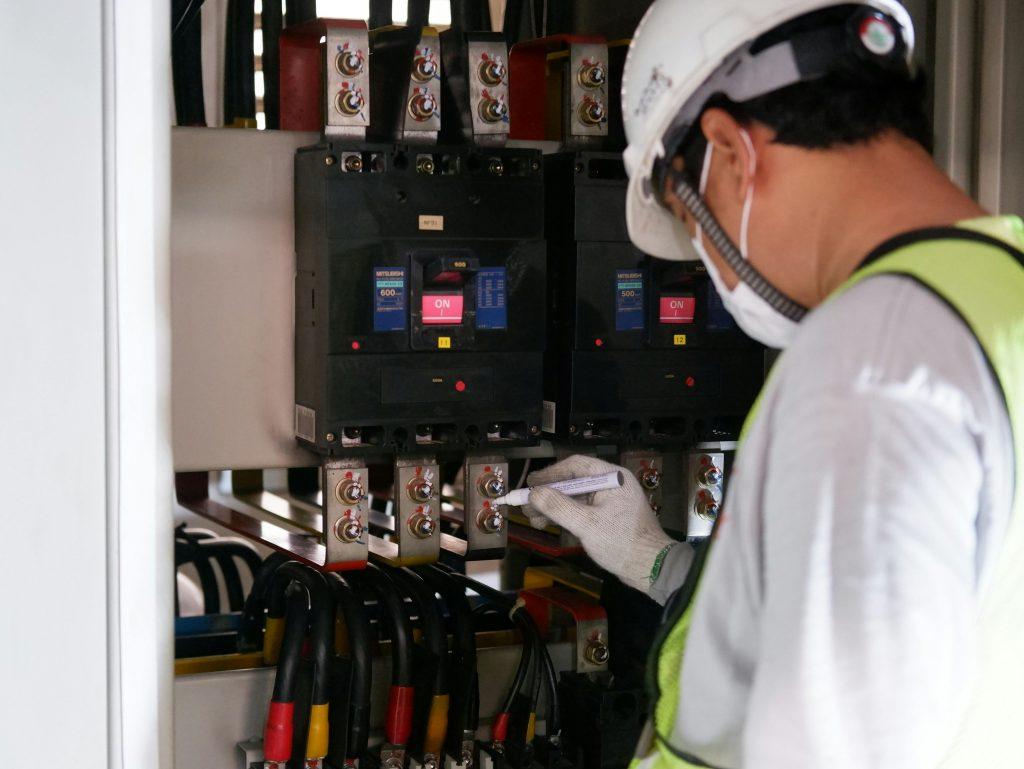
Occasional breaker trips aren’t unusual, but frequent or unexplained issues should never be ignored. You should contact a professional if:
- Your breaker trips repeatedly with normal use
- You notice burning smells, buzzing sounds, or heat from outlets
- You have an older electrical panel
- You’re unsure of the cause
A licensed electrician can safely diagnose the issue, ensure your system meets current electrical codes, and recommend the right solution – whether that’s a repair, upgrade, or full panel replacement.
Don’t Ignore the Warning Signs
Your circuit breaker is one of the most important safety features in your electrical system. When it trips, it’s sending a message: something needs attention. Addressing the issue early can prevent costly repairs, protect your property, and keep your home or business safe.
If you’re dealing with frequent breaker trips in Los Angeles, Phase Electric is here to help. Our experienced team handles everything from troubleshooting and repairs to full electrical upgrades for both residential and commercial properties. Contact us today to schedule an inspection and get your system back on track.