
Accessory Dwelling Units (ADUs) continue to grow in popularity throughout Los Angeles and Southern California. Whether you’re building a guest house, creating a rental unit, or adding living space for family members, an ADU electrical can be a valuable investment that increases both functionality and property value.
While many homeowners focus on floor plans, finishes, and design features, the electrical system is one of the most important components of any successful ADU project. A well-designed electrical system ensures the space is safe, comfortable, energy-efficient, and capable of meeting both current and future power needs.
Unfortunately, electrical planning is often treated as an afterthought. This can lead to costly modifications, project delays, and limitations once the ADU is complete. By considering electrical requirements early in the planning process, homeowners can avoid common issues and create a living space that serves occupants well for years to come.
Here are some key electrical considerations every homeowner should keep in mind when planning an ADU.
Start with Your Existing Electrical Service
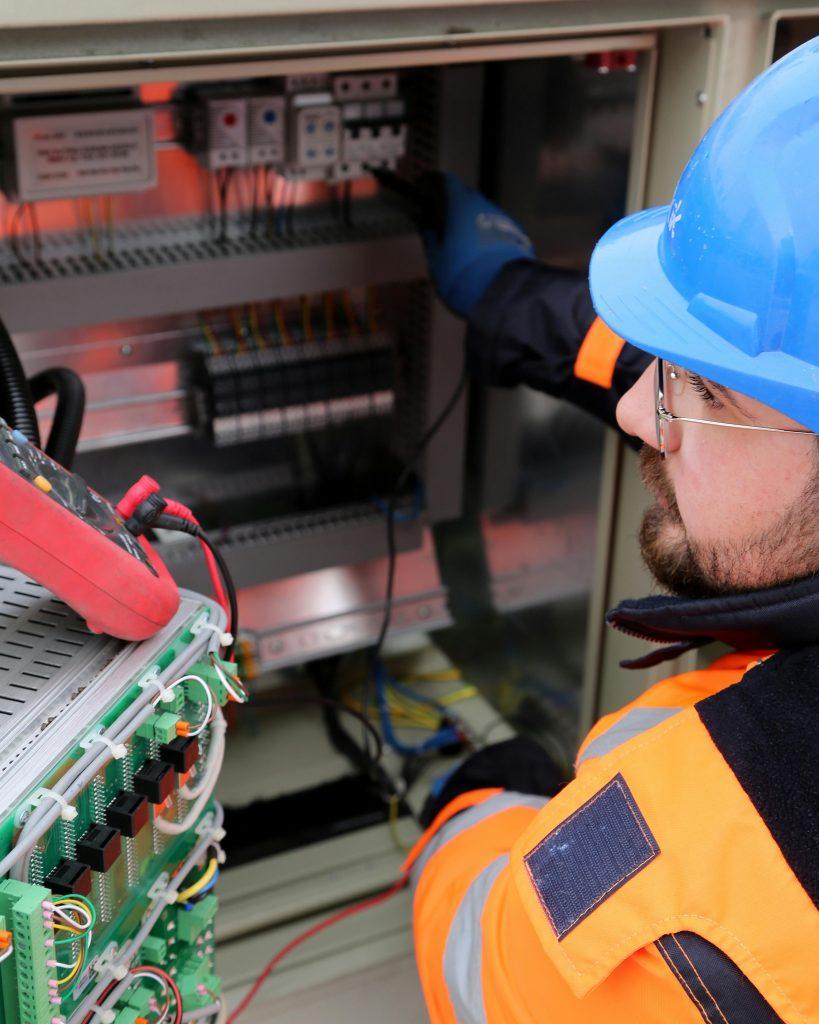
One of the first questions that should be addressed is whether your home’s current electrical system can support an additional dwelling unit.
Many older Los Angeles homes were built long before modern electrical demands became commonplace. Adding an ADU means introducing new appliances, lighting, HVAC systems, electronics, and potentially electric vehicle charging capabilities. All of these place additional demands on the property’s electrical infrastructure.
A professional electrician can evaluate your existing service panel and determine whether your current capacity is sufficient. In some cases, a panel upgrade may be necessary to safely accommodate the additional load.
Addressing this issue early can help prevent unexpected expenses later in the construction process.
Plan Outlet Placement Carefully
It’s easy to underestimate how many outlets an ADU will require. However, modern tenants and homeowners rely on numerous devices, appliances, and charging stations throughout the day.
Strategic outlet placement helps improve convenience while reducing the need for extension cords and power strips. Consider where furniture, televisions, workstations, kitchen appliances, and entertainment systems will be located.
Home offices have become increasingly common, making dedicated outlets for computers, printers, and networking equipment especially valuable.
Taking time to plan outlet locations during the design phase can significantly improve the functionality of the finished space.
Think Beyond Basic Lighting
Lighting plays a major role in both comfort and energy efficiency. Rather than relying solely on a few ceiling fixtures, homeowners should consider a layered lighting approach.
Recessed lighting can provide general illumination throughout the living space, while under-cabinet lighting improves visibility in kitchens. Accent lighting can add warmth and visual appeal, making smaller ADUs feel more inviting and spacious.
LED lighting remains one of the most energy-efficient options available and can help reduce long-term operating costs for homeowners and tenants alike.
Additionally, dimmer switches allow occupants to customize lighting levels based on activities and personal preferences.
Prepare for Smart Home Features
Technology continues to play an increasingly important role in modern homes. Even if smart home features are not part of the immediate construction plan, it is wise to prepare for future upgrades.
Smart thermostats, lighting controls, security systems, video doorbells, and automated devices have become highly desirable features for many homeowners and renters.
Installing the necessary wiring and infrastructure during construction is often far more cost-effective than making modifications after the ADU is complete.
Future-proofing the electrical system can increase the long-term value and appeal of the property.
Consider Heating and Cooling Requirements
Comfortable indoor temperatures are essential for any living space. Depending on the size and design of the ADU, heating and cooling systems may represent a significant portion of the unit’s electrical load.
Mini-split HVAC systems have become a popular choice for ADUs because they offer efficient climate control without requiring extensive ductwork.
When planning commercial electrical service, it is important to account for these systems to ensure sufficient capacity and reliable performance.
A qualified electrician can coordinate with HVAC contractors to ensure all systems work together efficiently.
Don’t Forget Internet and Connectivity Needs
Reliable internet access is no longer considered a luxury. Whether the ADU is used as a rental property, guest suite, or home office, occupants expect strong and dependable connectivity.
Planning for data cabling, networking equipment, and Wi-Fi coverage during construction can help eliminate dead zones and connectivity issues later.
A properly connected ADU is more attractive to renters and provides a better overall living experience.
Plan for Electric Vehicle Charging
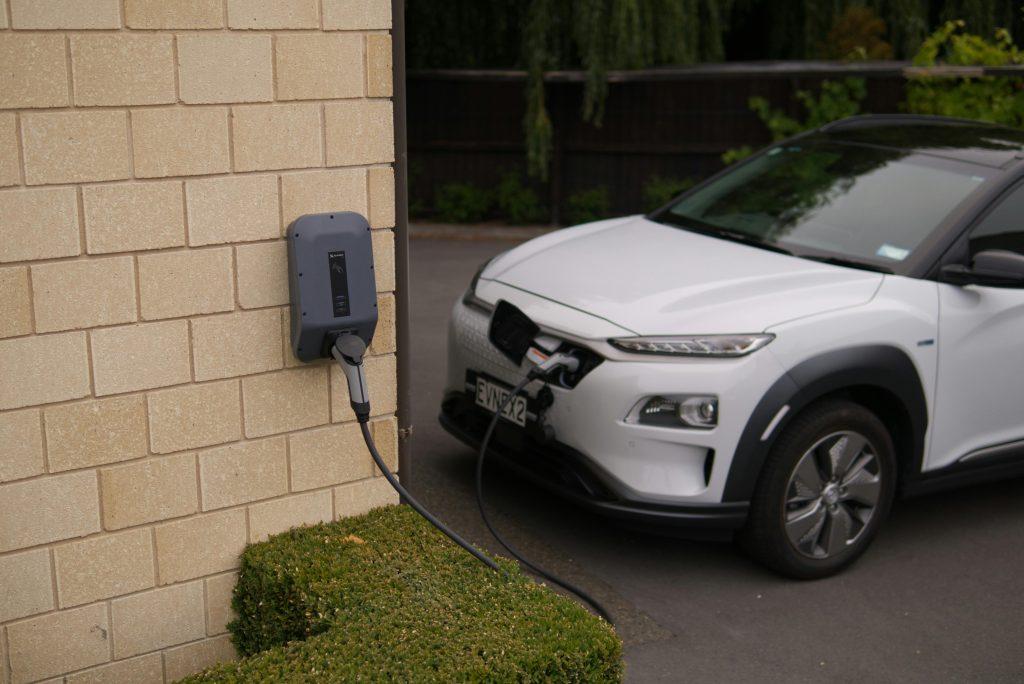
As electric vehicle ownership continues to grow throughout California, EV charging infrastructure has become an increasingly valuable property feature.
Even if current occupants do not own an electric vehicle, installing wiring for a future EV charging station can provide flexibility and increase property appeal.
Adding this capability during construction is often much easier and less expensive than retrofitting the system later.
Forward-thinking homeowners are increasingly viewing EV charging readiness as an important long-term investment.
Work with an Experienced Electrical Contractor
Building an ADU involves numerous technical and regulatory requirements. Electrical systems must comply with building codes, safety standards, and permitting requirements while supporting the practical needs of future occupants.
Working with an experienced electrical contractor ensures that the project is designed and installed correctly from the beginning. Professional guidance can help homeowners avoid costly mistakes, identify opportunities for future expansion, and create a safe, reliable electrical system.
At Phase Electric, we help homeowners throughout the Los Angeles area navigate every stage of the electrical planning and installation process. Whether you’re building a new ADU, upgrading an existing electrical panel, installing EV charging equipment, or planning smart home features, our team has the expertise to help you achieve your goals.
By prioritizing electrical planning from the start, you can create an ADU that is comfortable, efficient, and ready to meet the demands of modern living for years to come.