Your home’s electrical system works hard every day to power your lights, appliances, electronics, HVAC equipment, and everything else that makes modern life convenient. But every electrical circuit has limits. When too much electricity is demanded from a single circuit, it can become overloaded, creating problems that range from nuisance breaker trips to potentially dangerous electrical hazards.
Circuit overloads are especially worth understanding for Los Angeles homeowners. Many homes in the area range from older properties with outdated electrical systems to newer homes with increasingly demanding technology and appliances. If your electrical system isn’t equipped to handle your household’s needs, an overload can become a recurring problem.
Fortunately, understanding the causes and warning signs of circuit overloads can help you know when it’s time to contact a professional Los Angeles electrician from Phase Electric.
What Is an Electrical Circuit Overload?
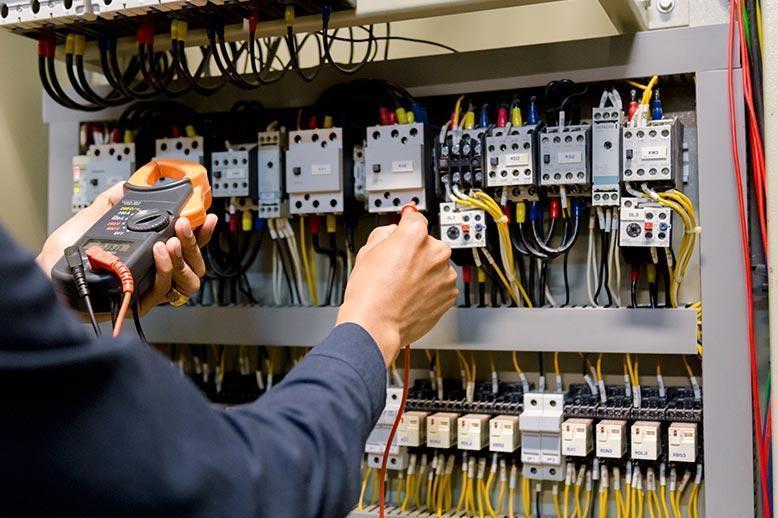
An electrical circuit is designed to safely carry a certain amount of electrical current. When the devices connected to that circuit demand more electricity than it is designed to handle, the circuit becomes overloaded.
Your electrical system includes circuit breakers that help protect against this situation. When a breaker detects excessive current, it should trip and shut off power to the circuit. This helps prevent the wiring from overheating and reduces the risk of electrical damage or fire.
A tripped breaker, therefore, isn’t necessarily a sign that the breaker itself is defective. It may be warning you that the circuit is being asked to do more than it can safely handle.
What Causes Circuit Overloads?
One of the most common causes is simply plugging too many electrical devices into the same circuit. High-demand appliances can use a significant amount of electricity, and operating several of them simultaneously can quickly exceed a circuit’s capacity.
For example, running a microwave, toaster oven, coffee maker, and other kitchen appliances at the same time may put considerable demand on a single circuit. Similarly, using a space heater while several other devices are operating can create an overload.
Older Los Angeles homes may be particularly susceptible if their electrical systems were designed for much lower electrical demands. Modern households often use far more electricity than homes did when they were originally built, thanks to computers, entertainment systems, larger appliances, HVAC equipment, EV chargers, and other technology.
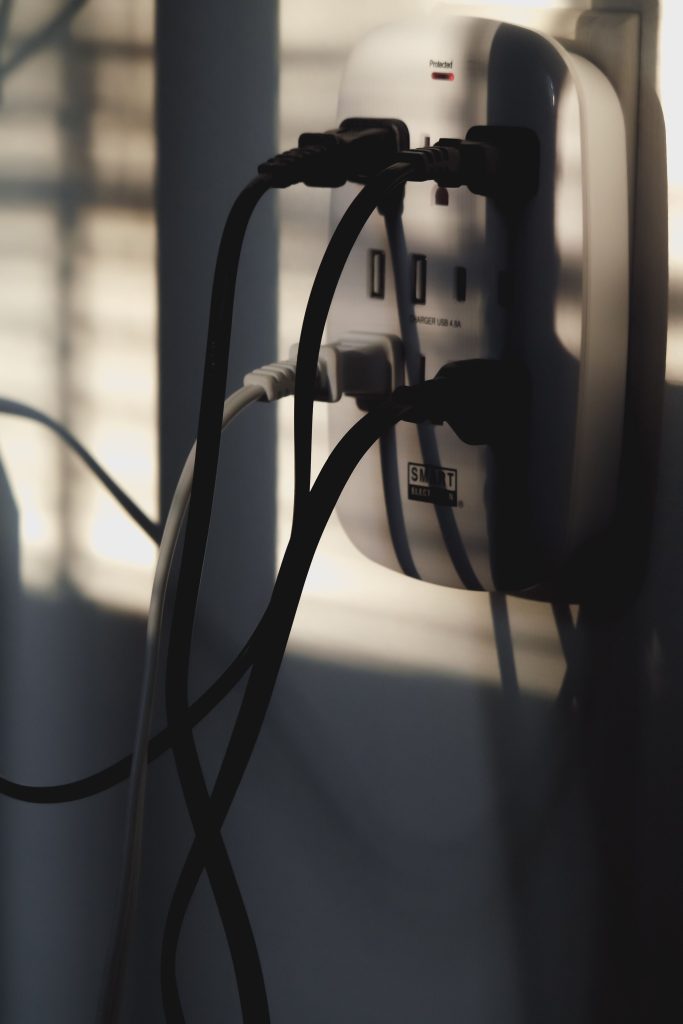
Extension cords and power strips can also contribute to electrical overloads. While useful in appropriate situations, they don’t increase the capacity of the circuit. Plugging multiple high-demand devices into a power strip doesn’t make the circuit capable of handling more electricity.
Warning Signs of an Overloaded Circuit
A circuit breaker that frequently trips is one of the most obvious signs of a potential overload. If the breaker shuts off whenever you use certain appliances or devices, the circuit may be carrying more electrical demand than it can safely handle.
Other warning signs include:
- Flickering or dimming lights when appliances turn on
- Buzzing, crackling, or popping sounds from outlets or switches
- Warm or discolored outlets
- Burning odors near outlets, switches, or electrical equipment
- Appliances unexpectedly losing power
- Heavy reliance on extension cords or power strips
These symptoms shouldn’t be ignored. Although an overloaded circuit is one possible explanation, they can also indicate wiring problems, faulty equipment, or other electrical issues that require professional electrical repair.
Why You Shouldn’t Keep Resetting the Breaker
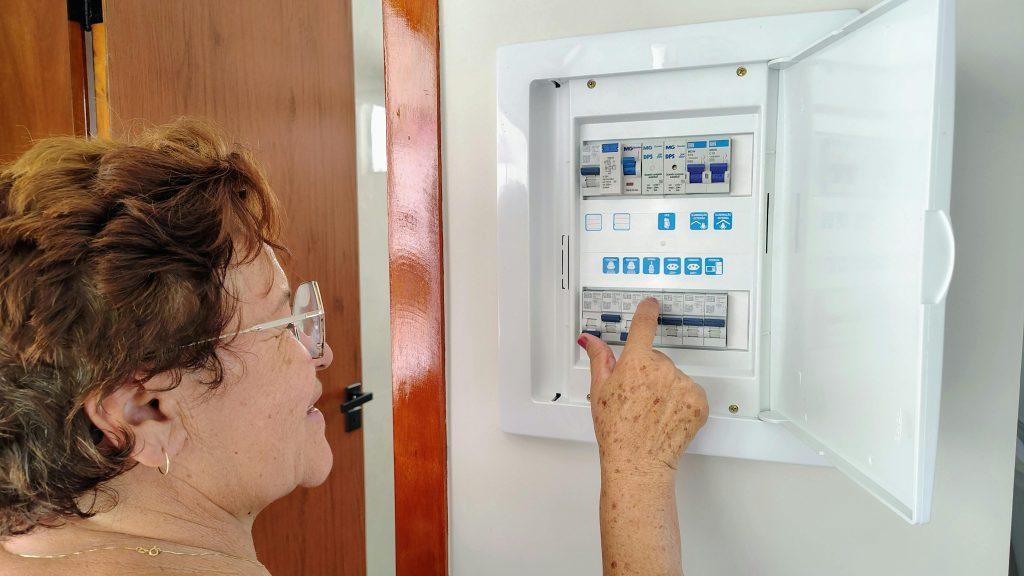
If a circuit breaker trips, it is interrupting the flow of electricity to help protect the circuit. Resetting it once after addressing an obvious temporary overload may be appropriate, but repeatedly resetting a breaker isn’t a solution.
If the breaker continues to trip, there may be an underlying issue with the circuit, wiring, an appliance, or the electrical panel. Continuing to operate the circuit under those conditions can create unnecessary risks.
Instead of repeatedly resetting the breaker or relying on temporary fixes, contact a qualified residential electrician to determine what’s causing the problem.
How Can You Prevent Circuit Overloads?
Start by paying attention to which appliances and devices are operating on the same circuit. Avoid running multiple high-demand appliances simultaneously when they share a circuit, and don’t use extension cords as a permanent replacement for properly installed outlets.
You should also consider whether your electrical system has kept pace with your household’s needs. If you’ve added major appliances, an EV charger, home office equipment, HVAC equipment, or other high-demand devices, your electrical system may require an upgrade.
A professional electrician can evaluate your system and determine whether you could benefit from additional circuits, new outlets, electrical panel upgrades, or other improvements.
Get Professional Electrical Help in Los Angeles
Circuit overloads aren’t something homeowners should simply learn to live with. Frequent breaker trips, warm outlets, unusual electrical sounds, or burning odors can indicate that your electrical system needs attention.
Whether you need troubleshooting, electrical repairs, new circuits, panel upgrades, or other residential or commercial electrical services in Los Angeles, Phase Electric is ready to help. Don’t ignore electrical warning signs or rely on temporary solutions.
Contact Phase Electric today to discuss your electrical needs and find out how professional electrical services can help keep your property safe and powered reliably.